Why rural Ohio residents are choosing curiosity over resistance toward AI infrastructure
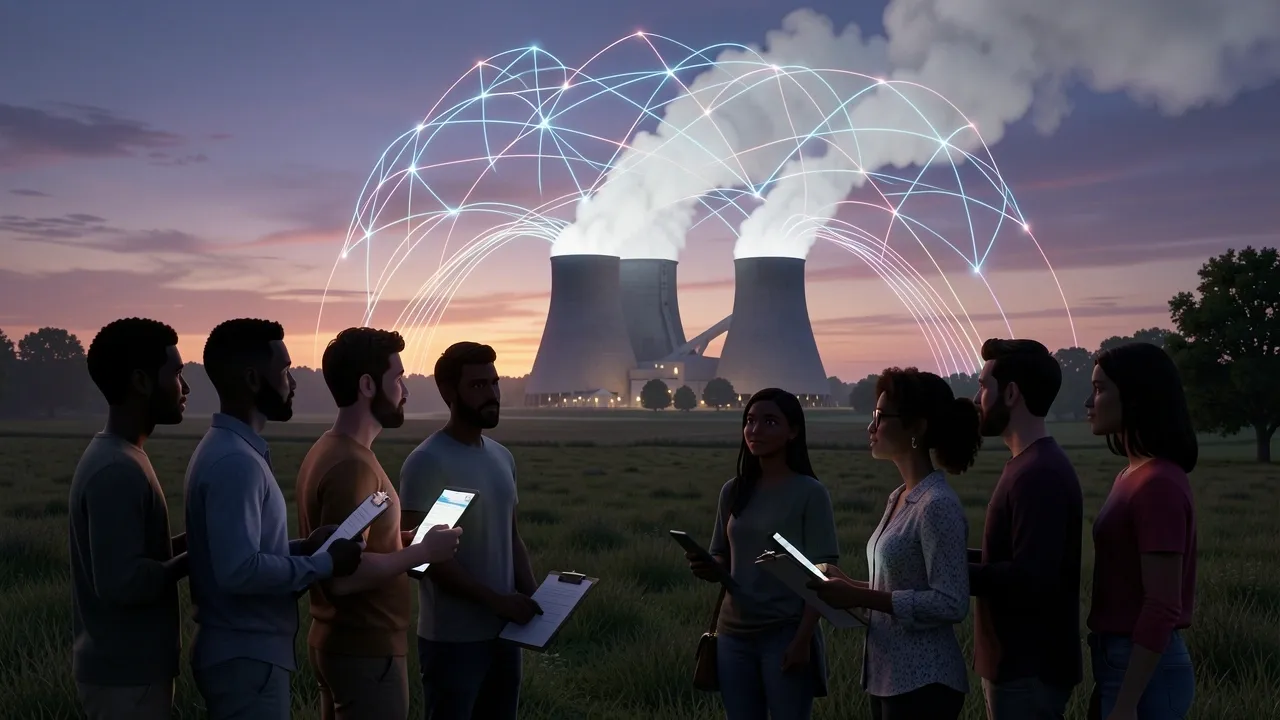
In the rolling hills of southern Ohio, a quiet shift in attitude is taking hold.
Instead of the usual pushback against large-scale industrial projects, residents of the village of Waverly are approaching a massive new power plant with more questions than protests.
The facility, set to become the largest natural gas-fired power plant in the United States, is being built to fuel the growing energy appetite of artificial intelligence data centers.
And the local mood, according to those who attended a recent public meeting, leans more toward curiosity than outright resistance.
The project, backed by SoftBank, occupies a sprawling 770-acre site. At the public information session, scores of residents showed up.
What made the gathering notable was the tone: a majority of attendees expressed ambivalence rather than opposition.
They wanted details—about emissions, traffic, noise, and long-term economic benefits—but the starting point was a willingness to listen.
This marks a departure from the typical narrative of rural communities clashing with tech infrastructure, where fear of environmental harm or disruption often dominates.
Our analysis suggests this openness is rooted in a practical calculus. For decades, rural Ohio has seen industries leave and jobs dry up.
AI infrastructure, while abstract, brings with it a promise of construction work, ongoing maintenance roles, and a potential boost to local tax revenue.
Residents are weighing the known drawbacks of a natural gas plant against the uncertain but tangible opportunity of being part of the AI supply chain.
The meeting was less a showdown and more a collective effort to gather facts before forming a judgment.
This trend offers a lesson for ordinary people and small businesses in similar communities. First, attend public meetings early—before decisions are final.
That is the moment to shape the project, not after permits are issued. Second, ask specific questions about local hiring guarantees, environmental monitoring, and community benefit agreements.
Third, form informal neighborhood groups to share information: one person’s research on air quality standards can benefit everyone.
Curiosity, paired with organization, turns passive acceptance into active negotiation.
Looking ahead, the Waverly plant will test whether AI infrastructure can be built with community buy-in rather than conflict.
If the residents’ open-minded stance leads to transparent partnerships, other rural towns facing similar proposals may follow suit.
The era of knee-jerk resistance may be giving way to a more pragmatic approach—one where rural Ohioans are not just hosts but informed participants in the AI-driven future.
Source: Nikkei Asia reporting by Pak Yiu based on public meeting in Waverly, Ohio.