NYC Schools Ban AI for 600K Students, Citing Critical Thinking Risks
New York City is taking a stand against what officials see as a growing threat to young minds: the unchecked use of artificial intelligence in classrooms.
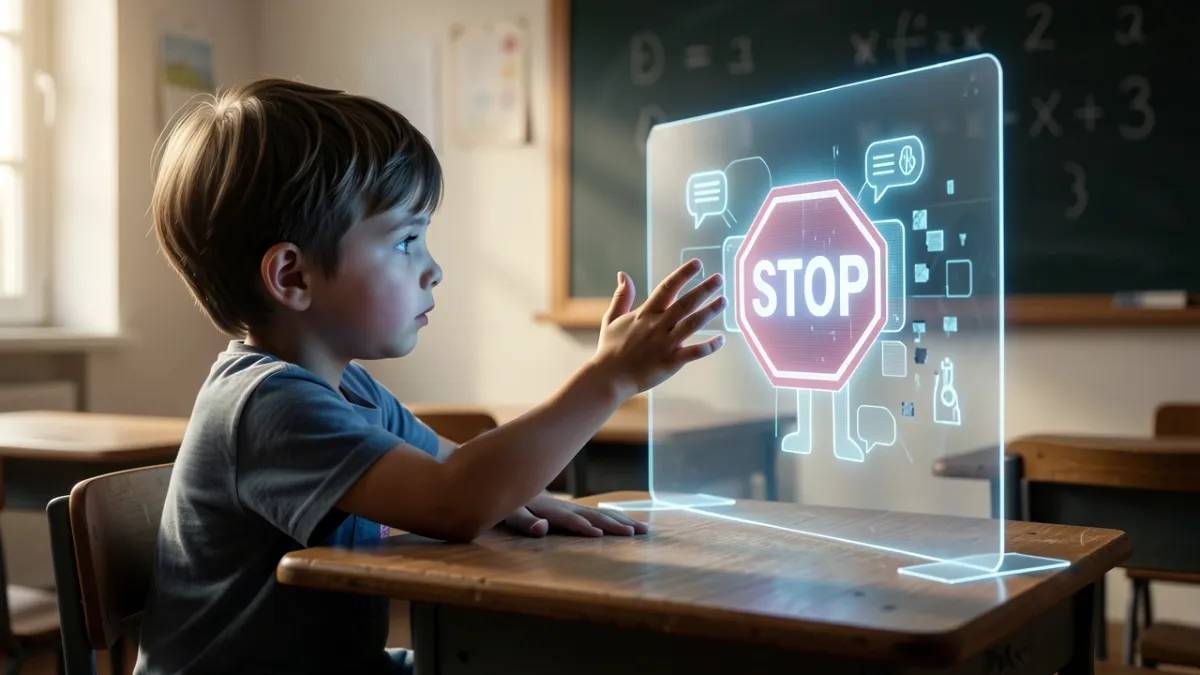
Starting this school year, nearly 600,000 public school students from preschool through eighth grade will be barred from using generative AI tools—including chatbots, AI tutors, and instructional programs—under a new technology policy that Mayor Zohran Mamdani and Schools Chancellor Kamar Samuels are set to announce Wednesday.
The move, described as the most restrictive of its kind in the nation, directly targets the risk that AI poses to critical thinking and independent learning among children.
The policy goes beyond AI.
Screen time on individual learning devices will also be sharply limited: no personal devices for pre-K through second grade, 30 minutes a day for grades 3–5, and 45 minutes for middle schoolers.
High school students may use AI, but only under "restricted" access rules.
Teachers, however, can still use approved AI tools for lesson planning, translation, and administrative tasks—but not for grading, behavior monitoring, crisis counseling, or developing special education plans.
This crackdown comes amid rising alarm from parents, educators, and lawmakers about the impact of AI and screen-based learning.
More than half of the City Council signed a letter urging a halt to expanded AI use in schools. Parent advocacy groups have pushed for a moratorium.
The concerns mirror those that led to the city's bell-to-bell cellphone ban last year, which aimed to reduce distractions and improve engagement.
"The tech industry wants us to believe that A.I.-powered early education is not only inevitable, but necessary. We do not see it that way," Mamdani said in a statement.
The mayor’s words capture the core tension: a growing skepticism of tech-driven solutions for education, especially when they risk replacing foundational skills like reasoning, problem-solving, and creativity.
Our analysis suggests this policy could reshape how public schools approach technology.
By drawing a hard line on AI for younger students, the city is betting that delayed exposure will protect cognitive development and reduce dependence on tools that can bypass genuine learning.
But it also raises questions about equity: wealthier families outside the public system may continue to use AI tutors, potentially widening the gap.
For now, the policy sends a clear signal that critical thinking takes priority over technological convenience.
What should ordinary people—parents, teachers, and small education companies—do next?
Parents can view this as a prompt to discuss screen habits at home and reinforce critical thinking through offline activities like reading, puzzles, and open-ended conversations.
Teachers should focus on the approved administrative tools while being mindful of how AI might be used in lesson design without undermining student effort.
Small companies developing educational tech should note the regulatory shift: products that emphasize active learning and avoid replacing student reasoning may find a more receptive market in districts watching New York’s lead.
The policy takes effect just days before the Sept. 10 start of the new school year. School leaders have been awaiting guidance for months, and principals were told in July to pause software purchases.
The formal unveiling will take place at the Brooklyn STEAM Center.
While the full impact remains to be seen, one thing is clear: New York City is betting that protecting critical thinking is worth the risk of going against the tech industry’s narrative.